The Production Calendar
Our Crops
Six crops. Four seasons. Each one selected because it earns its place on a specific North Florida acre — not because it fits a generic commodity farming template.
The Calendar Advantage
Four Seasons. Eleven Months.
Summers Farming's North Florida geography produces crops in months when most American farms are idle. That calendar compression is structural, permanent, and not replicable anywhere in the Midwest.
Dec – Feb
Winter
→ Cabbage
Mar – May
Spring
→ Watermelon
→ Sweet Corn
→ Grain Corn
Jun – Aug
Summer
→ Cotton
→ Soybean
→ Grain Corn
Sep – Nov
Fall
→ Peanuts
→ Cotton
Peanuts
Primary Acreage
The anchor crop. Summers peanuts are planted in late summer, grown under full irrigation, and harvested in late October through November when North Florida conditions produce the highest oleic content. Runner-type varieties account for the majority of acreage, targeting food-grade buyers and the domestic peanut butter supply chain. Yield consistency and food-safety certification are the competitive edge — not volume.
Grain Corn
Primary Acreage
High-yield grain corn planted in early spring and harvested before the summer heat peaks. North Florida's early planting window — possible because of the Floridan Aquifer's irrigation reliability — produces a corn crop that's harvested and to market weeks before Midwest operations begin. That timing advantage translates directly into basis and storage opportunity.
Cotton & Soybean
Rotation Acreage
Cotton and soybean grown in rotation with corn and peanuts, serving both agronomic and financial purposes. Soybean following corn breaks pest cycles and rebuilds soil nitrogen. Cotton on rotated acres maximizes lint yield per irrigated acre. Both crops have active gin and elevator relationships in North Florida, providing reliable basis and logistics.
Cabbage
Specialty Acreage
The winter specialty crop that no Midwest operation can produce. Cabbage planted in October harvests January through February — months when the Corn Belt is under frost and the domestic fresh cabbage supply depends entirely on Florida and California production. Summers' proximity to Jacksonville's wholesale market and established buyer relationships make this crop a reliable revenue source independent of commodity pricing.
Watermelon
Specialty Acreage
Seedless watermelon planted in late winter for a spring harvest that targets the Memorial Day and Fourth of July wholesale windows — the highest-volume, highest-margin weeks in the domestic fresh watermelon calendar. North Florida's sandy soils, irrigation infrastructure, and proximity to both Jacksonville and Orlando wholesale markets position Summers to compete for premium produce buyer accounts that other regions cannot serve at this point on the calendar.
Sweet Corn
Specialty Acreage
Fresh sweet corn planted in February, harvested March through May, targeting the same pre-summer wholesale window that makes North Florida specialty crops a distinct category from commodity Midwest production. Summers sweet corn is marketed directly to produce distributors and institutional buyers under multi-season purchase relationships — not spot-marketed at the farm gate.
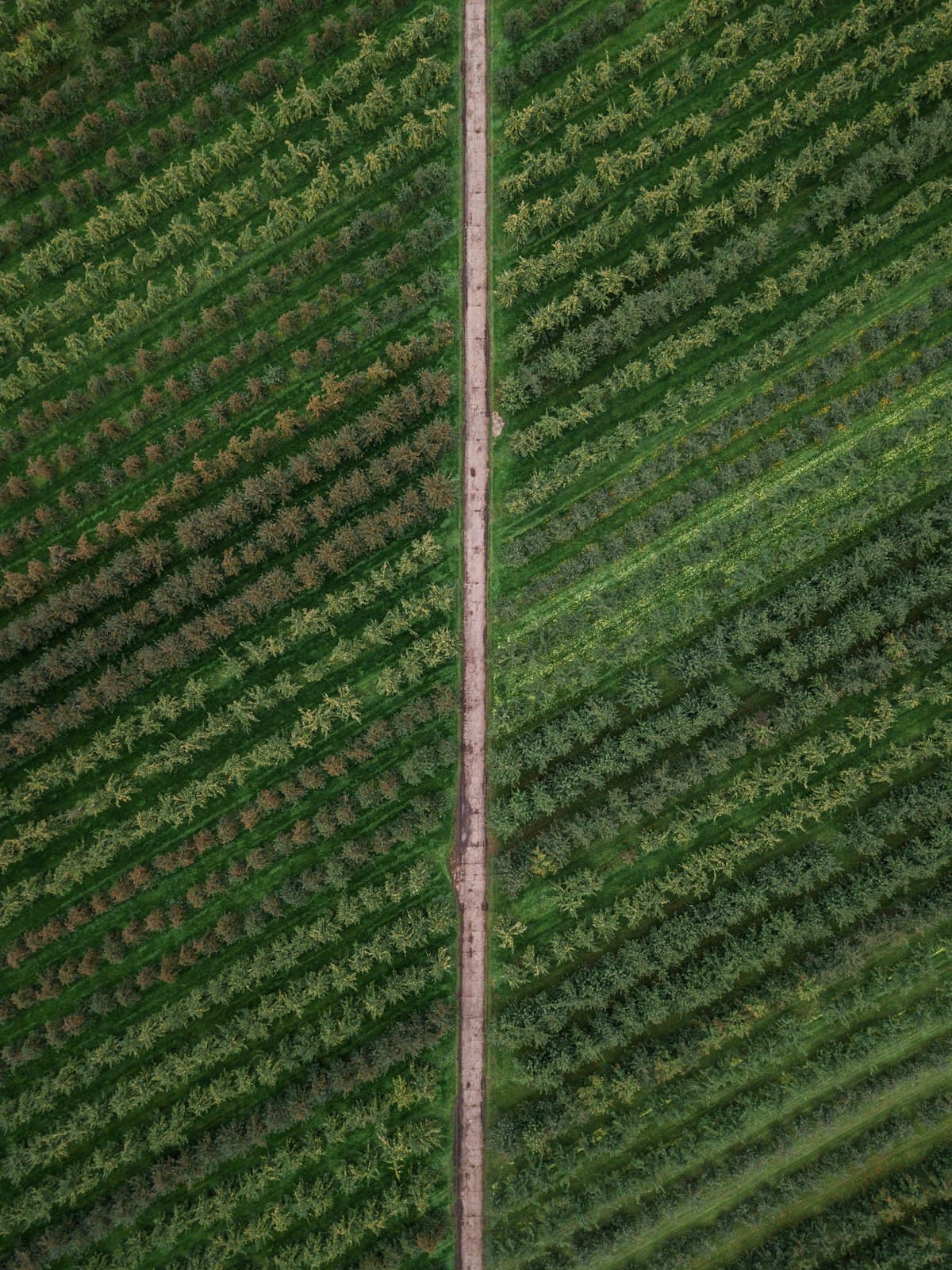
Six crops. One operation. No single crop carries the company.
How We Farm
Every Crop, Every Acre, Every Season
Summers Farming operates its own production. We are not landlords leasing to contract farmers. The agronomic decisions, the water management, the buyer relationships, the food-safety certification programs — these live inside the organization. That's how the land performs at the level the family demands.