The Investment Case
Why Row Crop Land
Three compounding return drivers. A geography that most institutional capital has overlooked. An 11-month growing season that no Midwest farm can replicate.
The Return Architecture
Three Layers. All Compounding.
Each driver operates independently. A bad crop year does not impair land value. A land price correction does not stop crop production income. All three compound simultaneously on the same acre.
01
Land Appreciation
The permanent floor
Productive farmland with irrigation infrastructure in North Florida has appreciated consistently over decades. Demand from operators, conservation buyers, and development interest around one of the fastest-growing metros in the Southeast puts structural upward pressure on land values that is independent of any single crop year. The land itself is always compounding.
02
Annual Crop Income
Four seasons of recurring revenue
Six crops across four seasons produce recurring annual income that no single-harvest Midwest operation can replicate. Peanuts in fall. Cabbage in winter. Watermelon and corn in spring. Cotton and soybean through summer. Each crop earns its place. No single crop carries the company. The calendar itself is a diversification strategy.
03
Management Fee Income
Asset-light scale without capital
Per-acre management fees and produce marketing commissions from third-party landowners generate recurring income without additional capital deployment. The infrastructure — agronomy, water, food-safety, buyer accounts — is already built. Serving additional acres through it is nearly pure margin.
The Macro Case
The World Needs More Food.
There Is No More Farmland.
Global population is growing. Per-capita income in emerging markets is rising, driving demand for higher-calorie diets. And the amount of arable land per person on Earth has been declining for decades — farmland lost to urbanization, desertification, and soil degradation is not being replaced at any meaningful scale.
Water-accessible farmland with proven production history is scarcer still. In North Florida, where the Floridan Aquifer System provides irrigation water at depths that make year-round production viable, productive acreage is a finite, non-replicable resource. You cannot manufacture more of it.
That scarcity is structural, permanent, and getting more pronounced. Farmland held by patient private capital benefits directly from it — without needing commodity prices to cooperate in any given year.
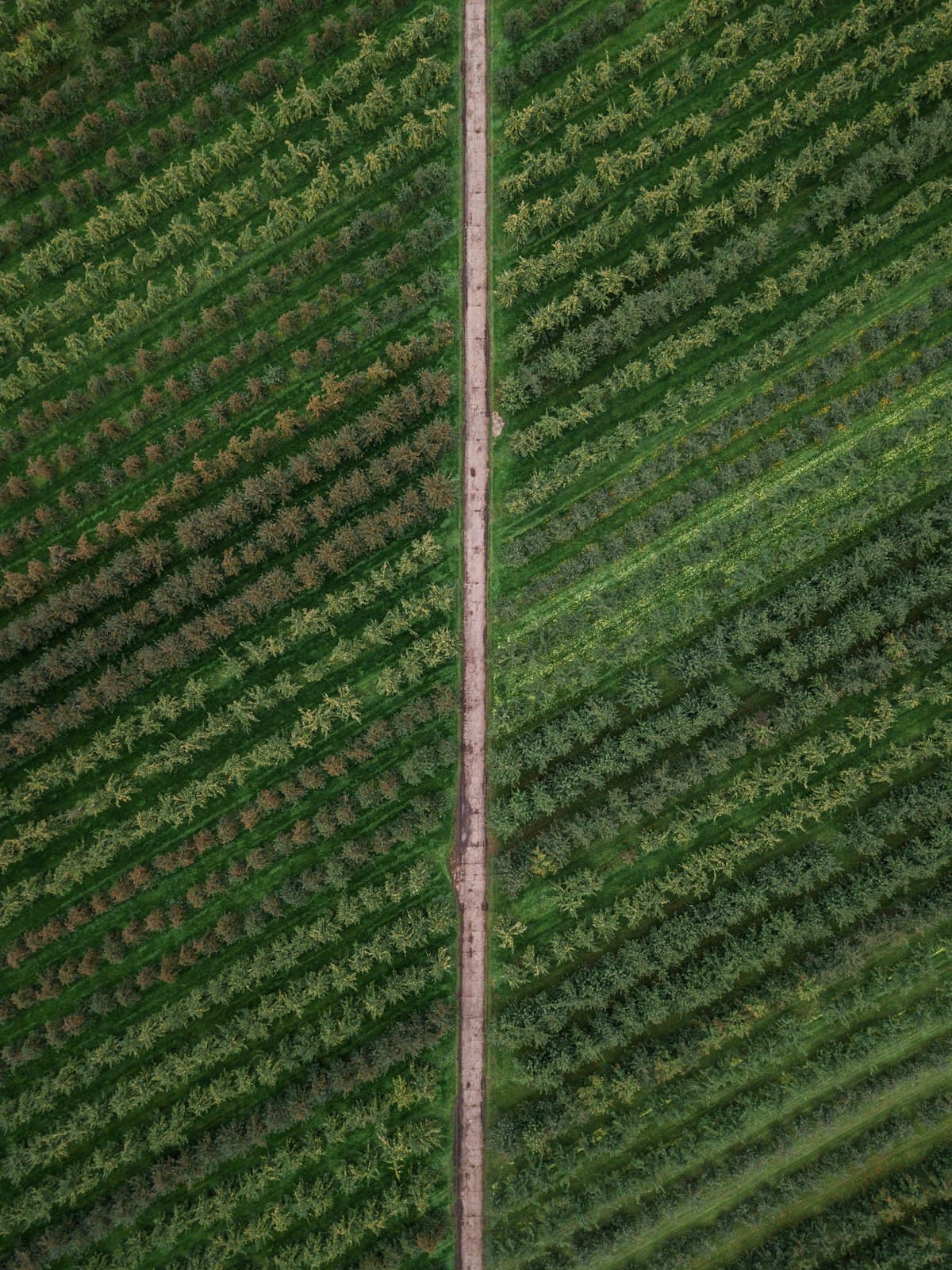
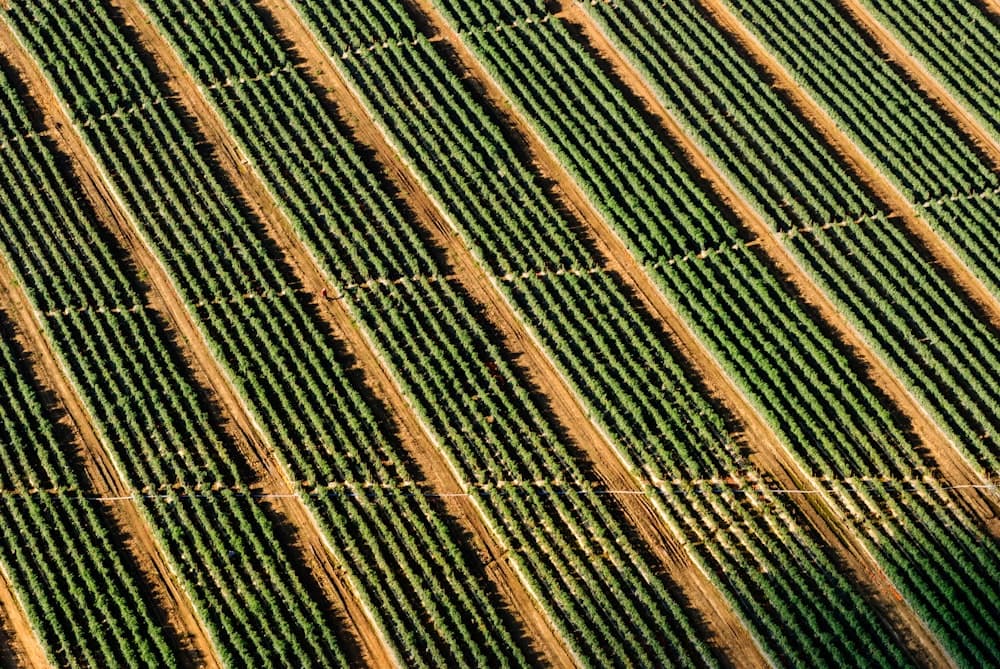
The Floridan Aquifer runs beneath this land. You cannot build that infrastructure from scratch.
Geography Matters
The North Florida Advantage
Every institutional competitor focuses on the Corn Belt or California. Nobody is making the case for North Florida. We are.
11-Month Growing Season
North Florida averages fewer than five frost days per year. While Iowa and Indiana shut down for five to six months annually, Summers Farming plants, grows, and harvests across four full seasons — maximizing equipment utilization, labor productivity, and annual income per acre.
Jacksonville Market Access
Jacksonville is the 12th largest city in the US by area and one of the fastest-growing metros in the Southeast. Same-day delivery to the wholesale market is available for fresh specialty crops (cabbage, watermelon, sweet corn) that inland operations simply cannot compete for.
Floridan Aquifer Infrastructure
The Floridan Aquifer System provides reliable irrigation access at depths that make year-round production viable. Irrigation wells drilled into this formation are decades of infrastructure investment that new market entrants cannot replicate. Water access is the scarcest agricultural resource in the South.
Overlooked by Institutional Capital
Farmland Partners operates in 11 states. Gladstone Land focuses on California specialty crops. AcreTrader leads with Midwest corn and soybeans. Nobody with institutional scale is making the case for North Florida. Summers can own this geography the way a first-mover always does — at the basis.
The Ownership Advantage
Why Family Capital Gets More From Farmland
No Exit Timeline
Farmland Partners, Gladstone Land, and AcreTrader all have investors who need liquidity. When markets are down, they sell. When fund terms expire, they sell. A family with permanent capital sells when it makes sense — never because a structure demands it.
No Fee Drag
REIT structures, fund management fees, and carried interest create meaningful friction between gross farmland returns and what investors actually receive. Summers Farming captures the full return on every acre it owns — no management fee, no carry, no redemption penalty.
No Mandate Pressure
Institutional land funds must deploy capital on schedule. Summers acquires when the land is right and the basis is right — and waits when it is not. That optionality compounds over a 25-year horizon into a meaningfully different cost basis.
Operators, Not Owners
Farmland Partners and Gladstone Land lease to farmers. Summers farms its own land. The agronomic expertise, the buyer relationships, the water management systems — these live inside the organization. The land performs at the level of the operator, and the operator is the family.